What Happens When Communities Create Their Own Universities?
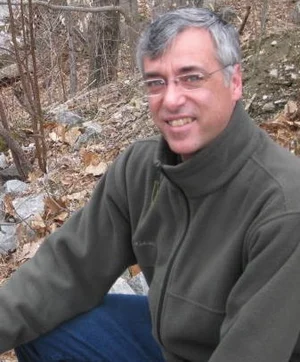
The interdisciplinary nature of learning is a natural part of life—such as learning math through cooking, or construction from playing with blocks—that gets short shrift in higher education. But there have been and continue to be efforts to create different, creative endeavors besides the conventional 4-year college program. Like homeschooling, many of these efforts are started locally by a small group of people, but it is rare to see independent universities being created to serve local needs. That’s why I wanted to talk with Manish Jain, who openly supports homeschooling and who helped found an ecoversity, Swaraj University, in India.
I first learned of ecoversities in the 1990s through friends of Ivan Illich, who told me about Gustavo Esteva and his work creating the Universidad de la Tierra in Mexico. The website describes the choice of title:
“[they] called the space "university" to mock the education system and reclaim the tradition of the first universities: allowing a group of friends to learn and study together around a table, not to earn a diploma, but for the sheer pleasure of learning.”
Ecoversities.org defines the term this way: “learners and communities reclaiming diverse knowledges, relationships and imaginations to design new approaches to higher education.”
Ecoversities, like ecovillages, use the local environment, culture, and people as the starting point for their development. Ecoversities do not grant degrees, though some offer certifications; all provide a variety of experiences, workshops, and programs to help you take your next steps into the world, and many offer to help you find work in your field.
For those who are frustrated with the lack of innovation, length of time, and the extreme expense of American higher education, Manish provides us with options and his own example for how we can create or find a college that helps us become the person we want to be. Click here to view the video.