
Pat Farenga's Blog

Reimagining Education Beyond Traditional Boundaries
John Holt: “I have met some fine teachers who have told me that for as long as twenty years or more they have been working in this or that school or system to bring about some of the kinds of changes I am urging, and with no success at all. I can admire their courage but not their tactical judgment. Not only have they wasted their time, skill, and devotion; they have given them to an institution that has made bad use of them.”

Stories They’ll Remember
By stories Frank Lord does not mean fiction. He means real, true-life stories, sometimes only a few sentences long, but that have relevance to a given situation. These stories can be about comfort, empathy, achievement, failure, industriousness, illness, good health; any topic, really, that allows us to reveal our past to our children in a nurturing manner.

Let Children Own Their Learning Moments
Too often parents and teachers want to let children know they approve of what the child is doing, and by doing so they ruin the “learning moment” for the child. Keeping our egos out of our children’s learning is hard to do, but worth doing, as it can help children develop a stronger sense of self, as these letters show.
Whose Fault?
Supporting a child’s learning takes time, observation, and empathy, all things that are lacking in most schools. This is largely due to institutional practices and schedules, but this obstacle is not necessary in one’s home, if one is attuned to their children’s natural growth rather than a planned curriculum.

The Mathematics of the Ordinary
“The important question for me, given my view of mathematics of the ordinary, is not how it can be taught, but how it can be lived. I don’t think we need to find special “math-speaking” tutors when it comes to the mathematics of the ordinary. Most young children are not interested in becoming specialists in mathematics. But it is in their nature, indeed, in practically everyone’s nature, to wonder about the patterns and regularities they observe in the world.”—Aaron Falbel

How Can Children Know What They Need To Learn?
John Holt: “I have always said, but never with an example as eloquent and persuasive as this, that though the child may not know what he may need to know in ten years, he knows, and much better than anyone else, what he wants and needs to know next, in short, what his mind is ready and hungry for.”
The Cart and the Horse
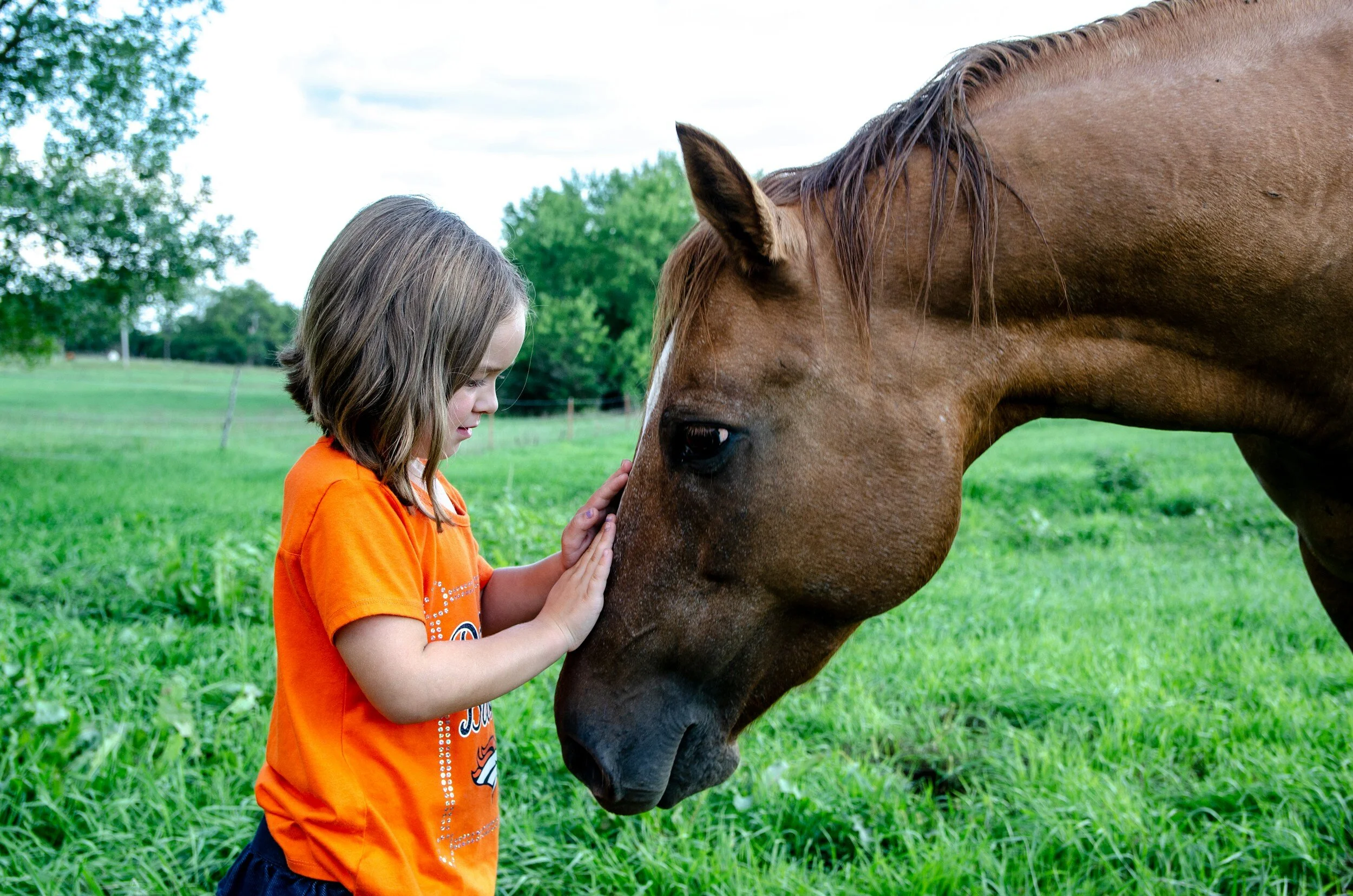
Just as school is not really an effective preparation for life, neither should life be considered a preparation for school.
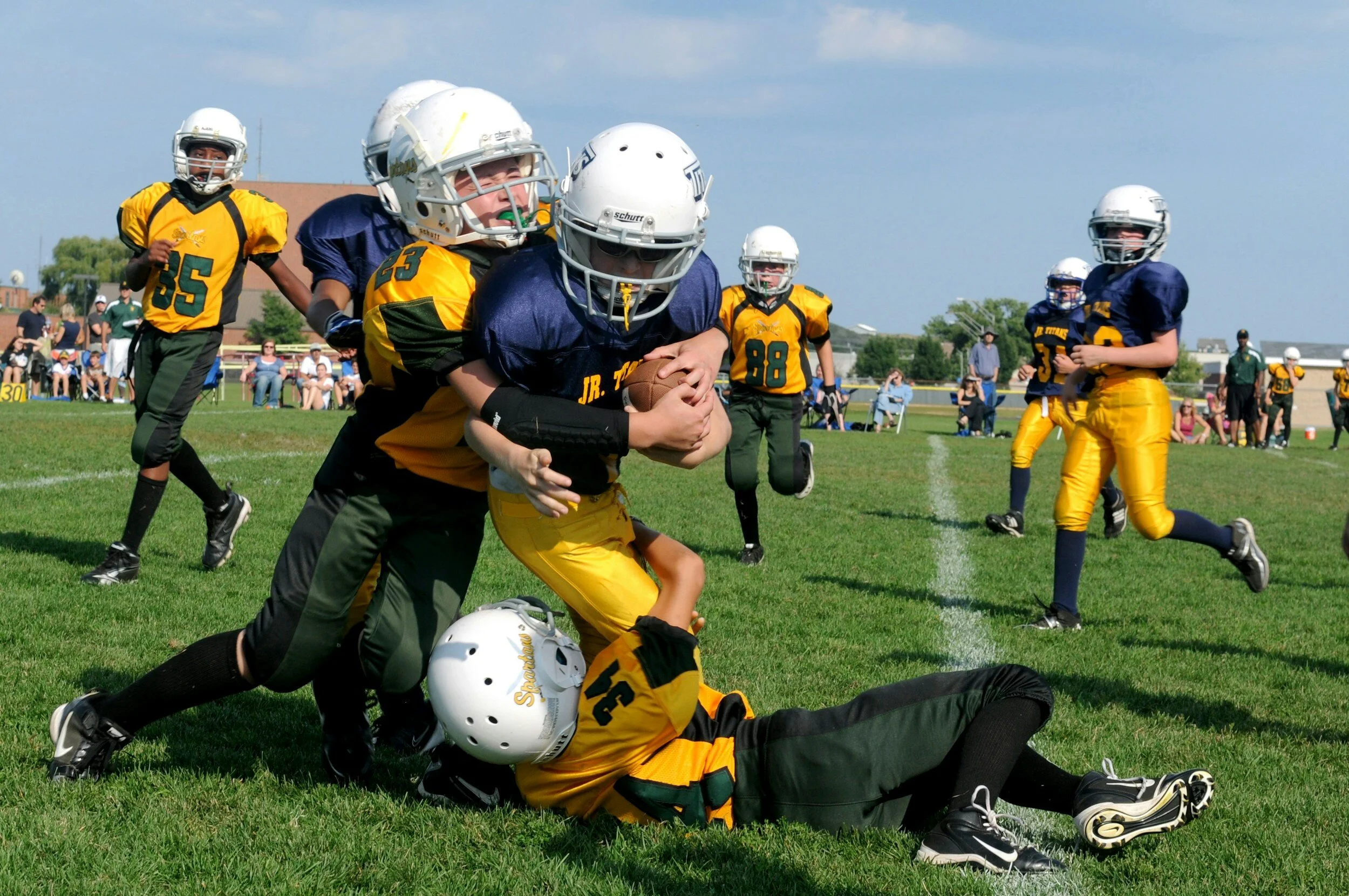
“Why Do I Need To Do This?”
There are methods and curricula that don’t follow the authoritarian model of schooling, but they are dismissed as not being academically rigorous or too coddling for serious educators. Despite this dubious claim, alternative schools, homeschooling, private and charter schools continue to grow because the conventional system is not adapting to change—and there are cracks appearing in the authoritarian model that are worth noting.