
Pat Farenga's Blog

Is It Okay To Count on Fingers?
Schoolteachers have scolded children for counting on their fingers for decades, but some researchers say finger-counting can keep good students good and help not-so-good students become better.
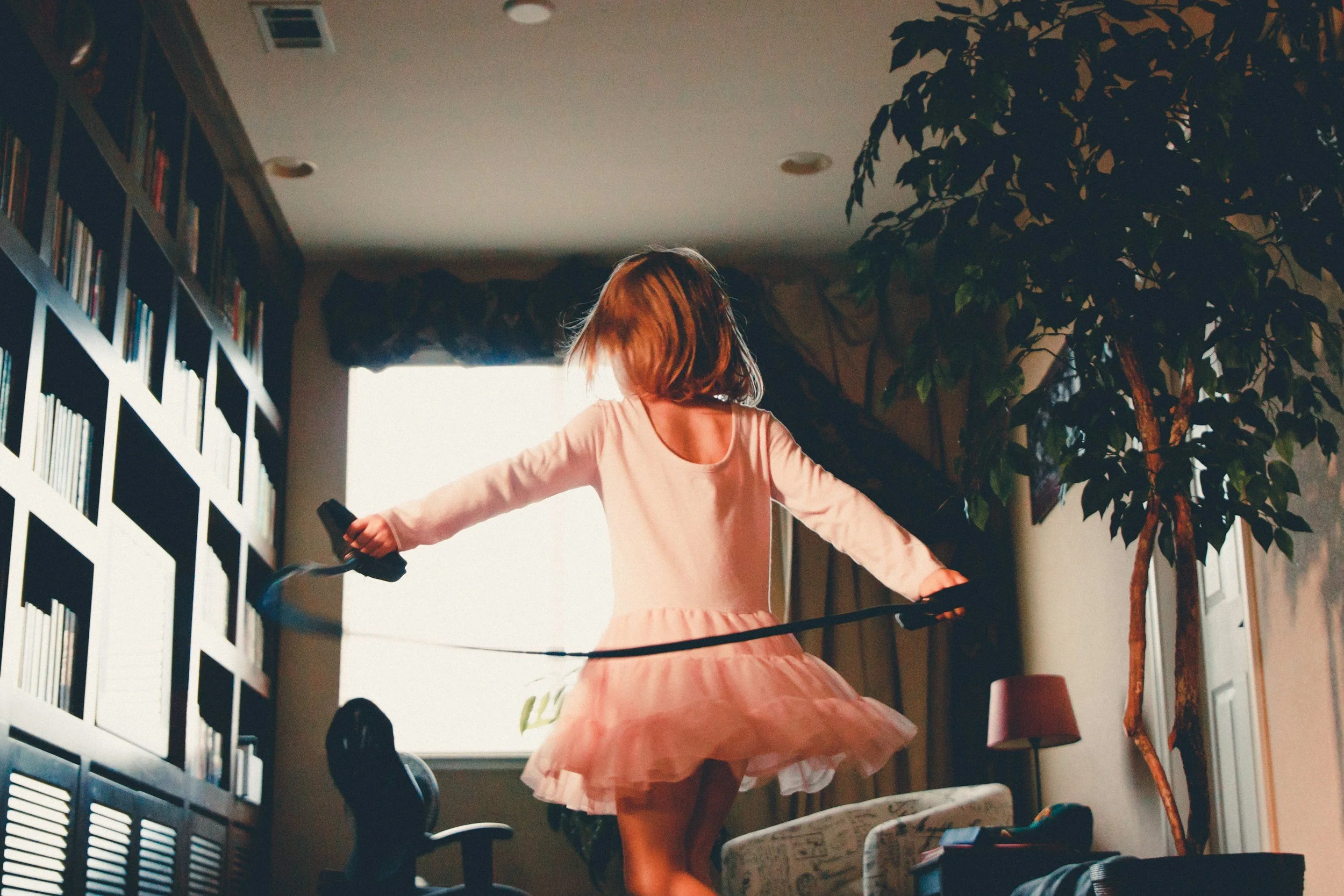
Can There Be A Place Between School and Home?
Why should we think of school as an all-or-nothing institution? Part-time school could be one way a family could move toward homeschooling.
Can There Be Good Education In A Bad Society?
In short, in a society that is absurd, unworkable, wasteful, destructive, secretive, coercive, monopolistic, and generally anti-human, we could never have good education, no matter what kind of schools the powers that be permit, because it is not the educators or the schools but the whole society and the quality of life in it that really educate.
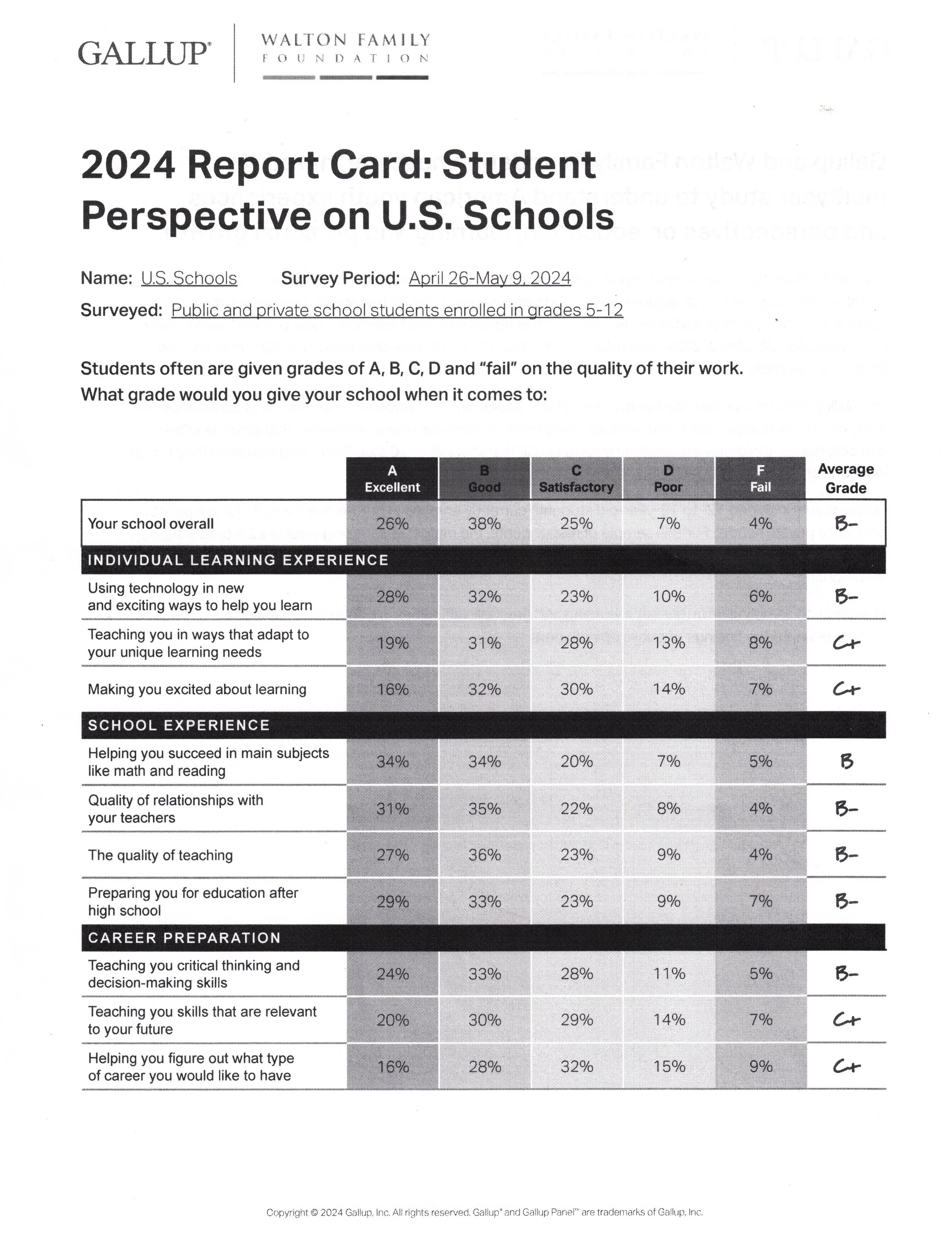
Students Grade U.S. Schools in Gallup Poll
Students give U.S. schools middling to poor grades, and the majority of parents are dissatisfied with their schools. Yet school continues to offer its one-size-fits-all approach as the way to fix things.
Whose Fault?
Supporting a child’s learning takes time, observation, and empathy, all things that are lacking in most schools. This is largely due to institutional practices and schedules, but this obstacle is not necessary in one’s home, if one is attuned to their children’s natural growth rather than a planned curriculum.
When’s The Time For More Independence For A Child?
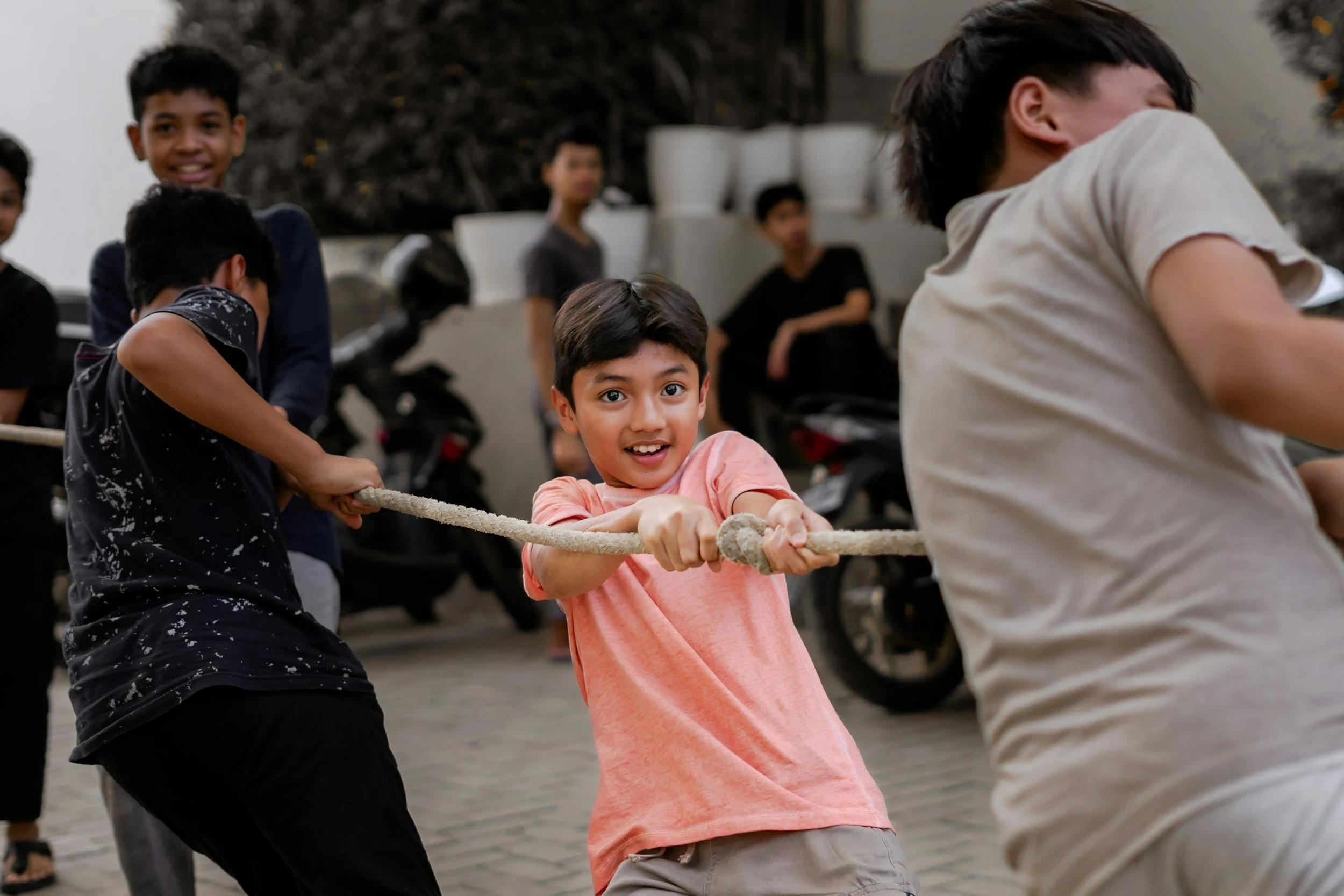
An unschooling mom writes about that time when you learn you need to let go more than you wish: “More and more I’m aware that home is no longer enough, my interpretation of the world is no longer enough for him. He needs to move out into the wider world, meet people who aren’t me or connected to me, have his own experiences, and draw his own conclusions. …”

The Diminishing Relevance of a College Degree
An ongoing issue for unschoolers and alternative school graduates is how some colleges and businesses have refused to admit or hire them due to their lack of a formal high school or college degree. Though there are ways around this, it is just easier for an employer to say “No” when they compare you to a person with a college degree and the same level of skill. But things are changing now …

Homeschooler Gets PhD at 17
While there have been many stories about gifted homeschoolers achieving academic success over the 40+ years I’ve been writing about homeschooling, two things leaped out to me from Ms. Tillman’s story: her desire to share her love of science and art with other young people, and her desire to “focus on who I am" as her next step.

The Mathematics of the Ordinary
“The important question for me, given my view of mathematics of the ordinary, is not how it can be taught, but how it can be lived. I don’t think we need to find special “math-speaking” tutors when it comes to the mathematics of the ordinary. Most young children are not interested in becoming specialists in mathematics. But it is in their nature, indeed, in practically everyone’s nature, to wonder about the patterns and regularities they observe in the world.”—Aaron Falbel

Exploiting Children
So sensitive are we to the possibility of child labor in the exploitative sense that we’ve made it difficult, and sometimes impossible, for children to work at all, even when they want or need to. The following piece of unpublished writing by John Holt may help clarify some of these issues.
New Additions to JohnHoltGWS.com
Check out the new resource lists I added for homeschooling/unschooling support groups and learning materials for self-directed learners.
“Free Choice Is Not Random”
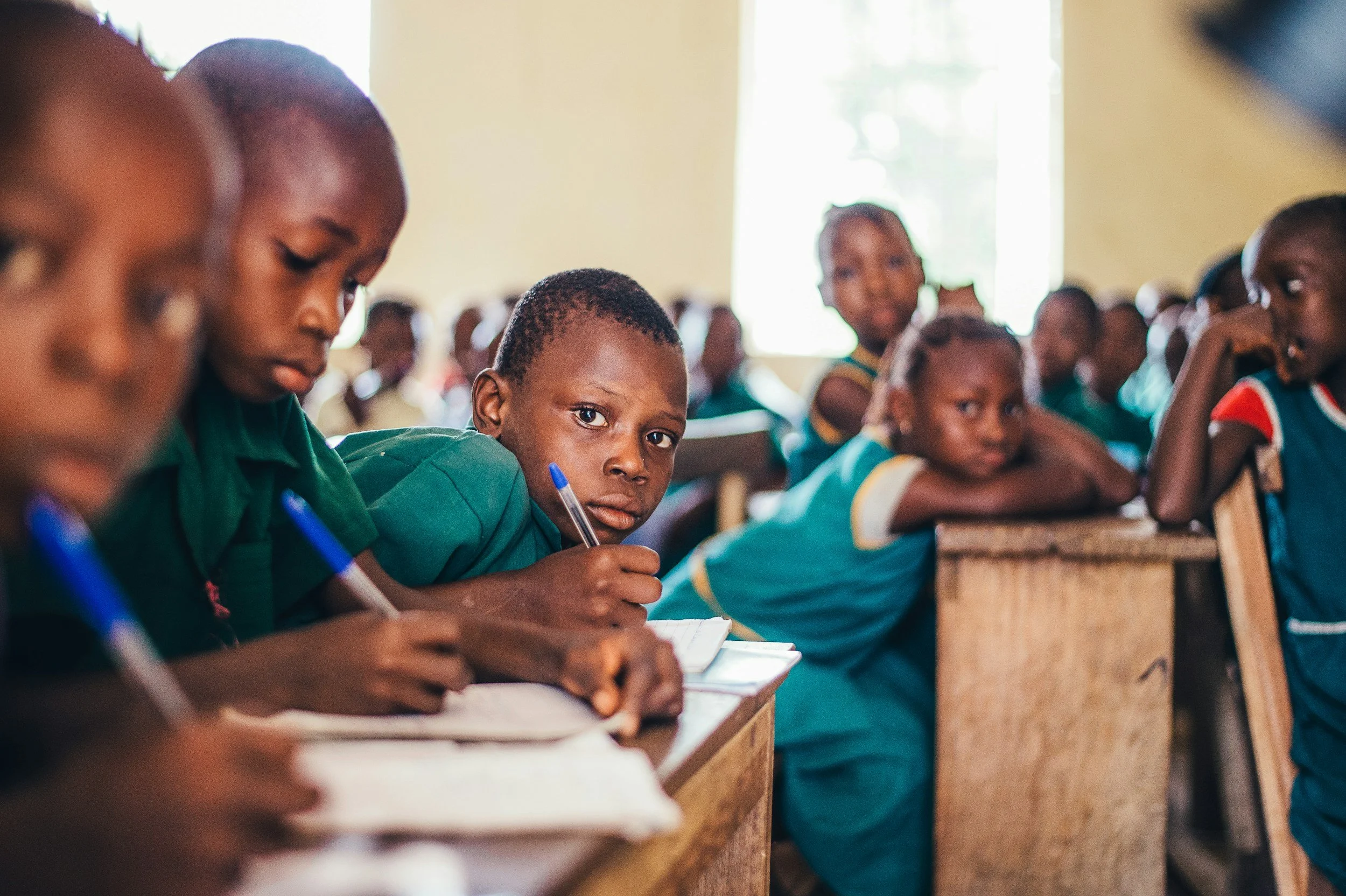
“School should be a place where children learn what they most want to know, instead of what we think they ought to know…”
How Much Parental Direction?
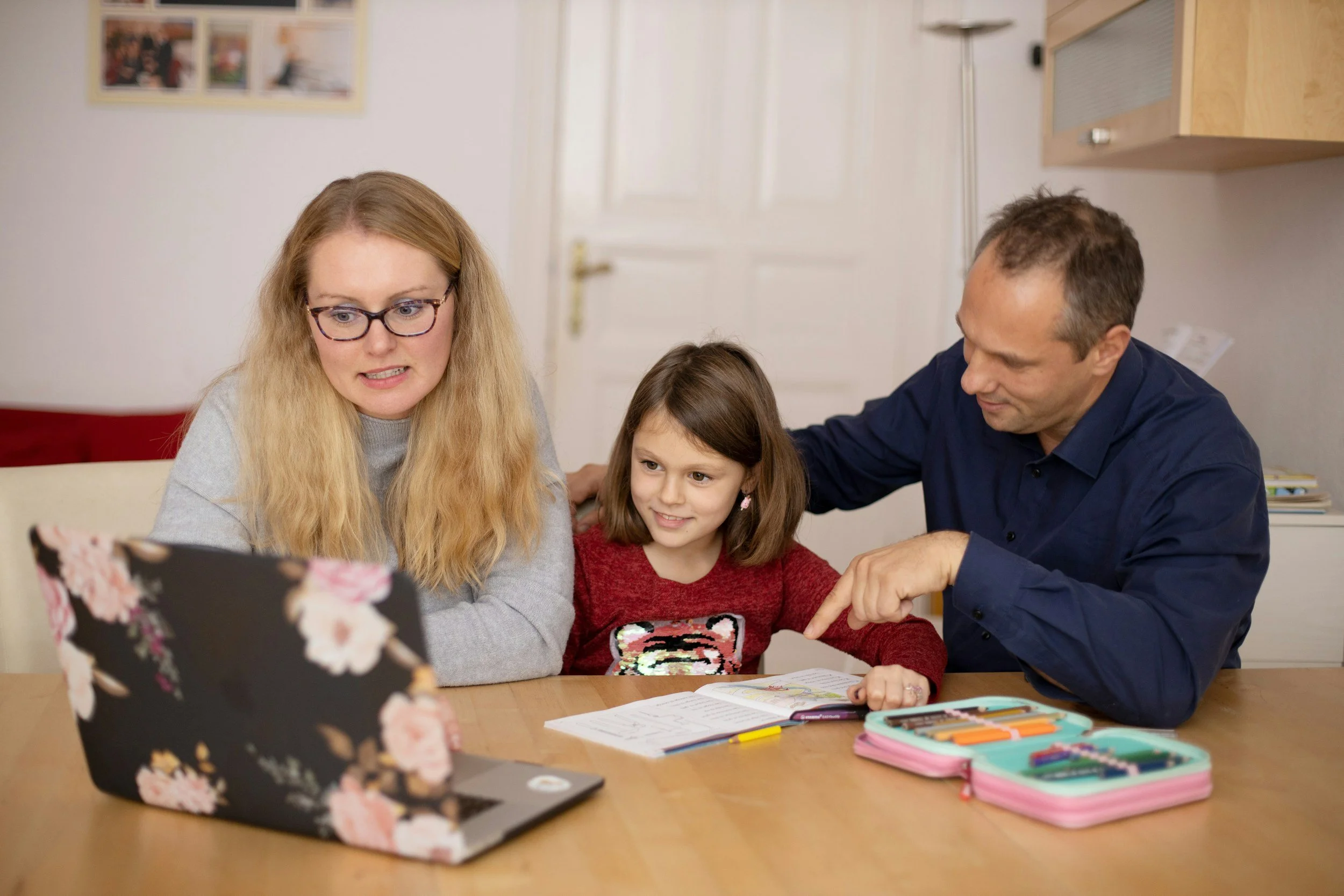
This is an eternal question for parents, but for many in the unschooling and alternative school communities it can be a very divisive topic. Madeline Murphy writes, “We have found that there is an ebb and flow to the amount of structure and to the amount of direction we provide in our children’s learning, but we are always involved.”

SCHOOL IS BAD FOR CHILDREN
Almost every child on the first day he sets foot in a school building, is smarter, more curious, less afraid of what he doesn't know, better at finding and figuring things out, more confident, resourceful, persistent and independent than he will ever be again in his schooling—or, unless he is very unusual and very lucky, for the rest of his life.

No Formal Education? No Problem.
Lidya Foxglove writes: “I was unschooled through most of my childhood and never went to college. I’ve gotten questions and sometimes pushback about it all my life but I think it helped me to my writing career as well as living intentionally.”

Lost and Found in Translation
John Holt’s books are translated into over 40 languages. Here are three of the most recent ones, one from Italy and two from Russia. It’s not just English-speaking countries that desire to change how their children learn in school!

Child Likes Unschooling But Still Feels Left Out
Unschooling isn’t and can’t be a solution for many of the problems of being young, or growing up in an anxious and confused world, or in a society that generally has no use for young people. But at least homeschooling doesn’t make those problems worse.

How Can Children Know What They Need To Learn?
John Holt: “I have always said, but never with an example as eloquent and persuasive as this, that though the child may not know what he may need to know in ten years, he knows, and much better than anyone else, what he wants and needs to know next, in short, what his mind is ready and hungry for.”
The Cart and the Horse
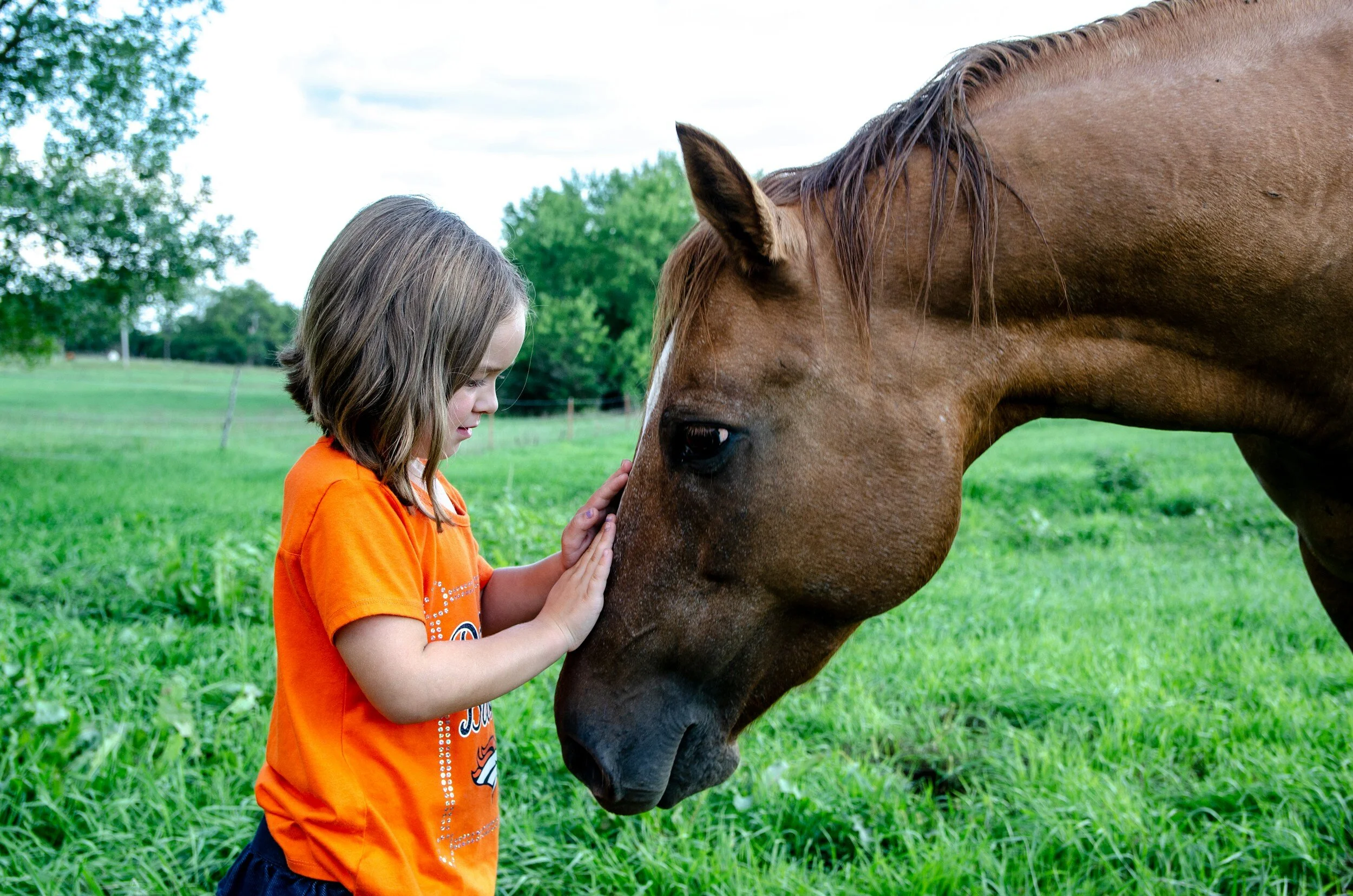
Just as school is not really an effective preparation for life, neither should life be considered a preparation for school.
“Why Do I Need To Do This?”
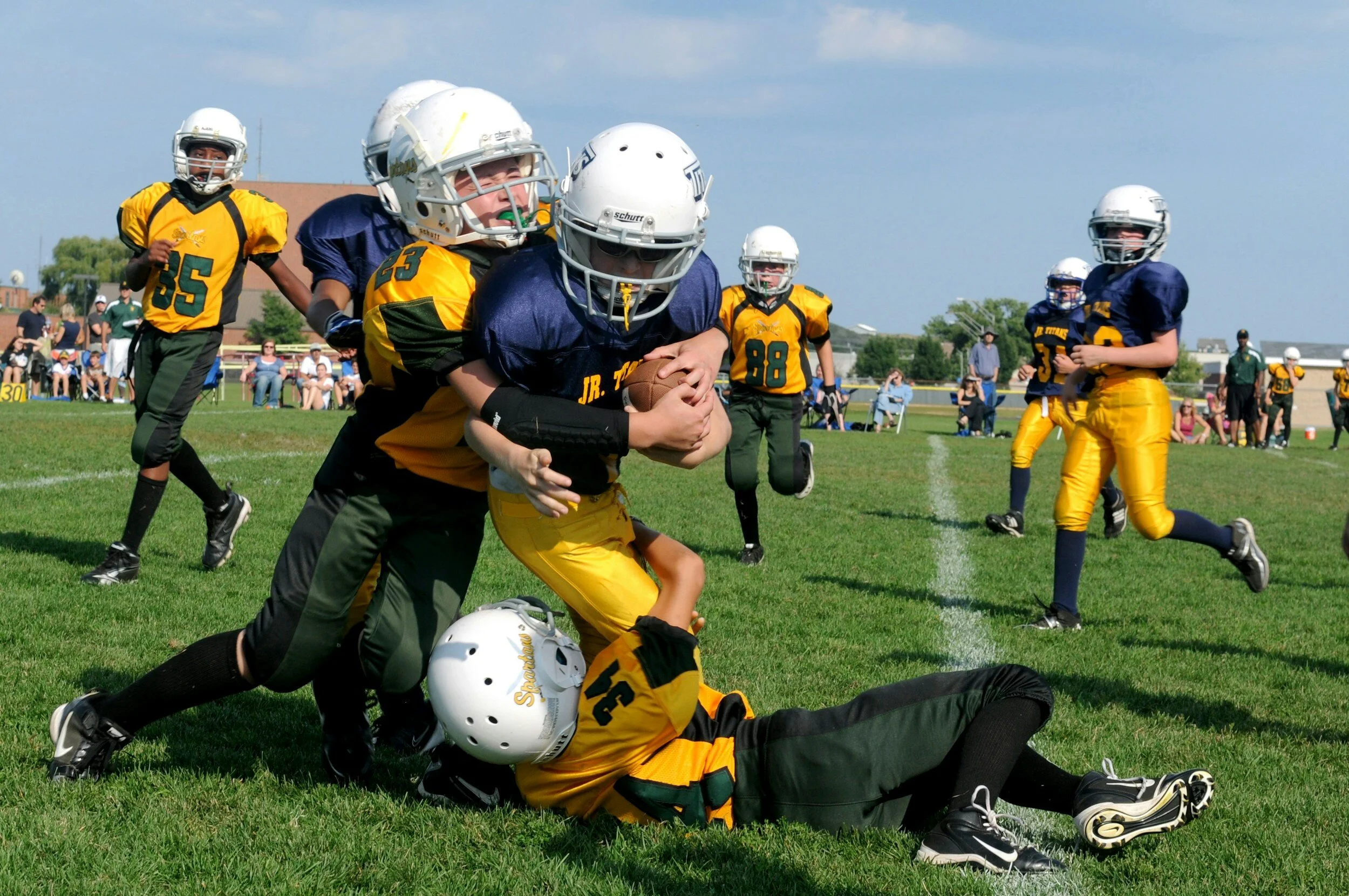
There are methods and curricula that don’t follow the authoritarian model of schooling, but they are dismissed as not being academically rigorous or too coddling for serious educators. Despite this dubious claim, alternative schools, homeschooling, private and charter schools continue to grow because the conventional system is not adapting to change—and there are cracks appearing in the authoritarian model that are worth noting.